
Additional speakers will be added, please check back.
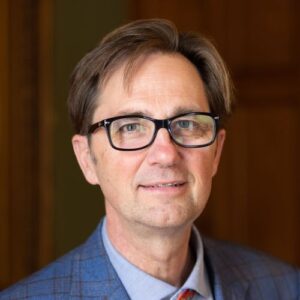
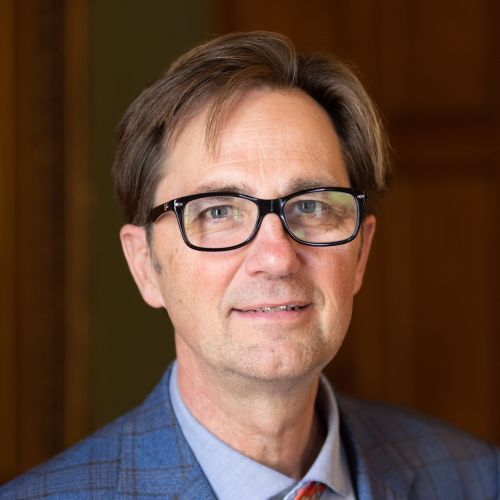
Marcel Behr
McGill University
Professor of Medicine
Canada
McGill International TB Centre
Member
Canada
Marcel Behr is a clinician-scientist. He was the founding Director of the McGill International TB Centre and led it from 2012 to 2018. He is Director of the McGill Infectious Diseases Division and the McGill Interdisciplinary Initiative in Infection and Immunity (McGill-i4). Dr. Behr trained at the University of Toronto, Queen’s, McGill and Stanford. His work has clarified the natural history of TB, determined the basis of BCG attenuation, identified differences between related mycobacterial species, and explained the molecular basis for the use of mycobacterial peptidoglycan as an immune adjuvant.
Marcel Behr
McGill University
Professor of Medicine
Marcel Behr is a clinician-scientist. He was the founding Director of the McGill International TB Centre and led it from 2012 to 2018. He is Director of the McGill Infectious Diseases Division and the McGill Interdisciplinary Initiative in Infection and Immunity (McGill-i4). Dr. Behr trained at the University of Toronto, Queen’s, McGill and Stanford. His work has clarified the natural history of TB, determined the basis of BCG attenuation, identified differences between related mycobacterial species, and explained the molecular basis for the use of mycobacterial peptidoglycan as an immune adjuvant.
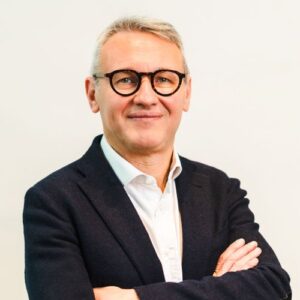
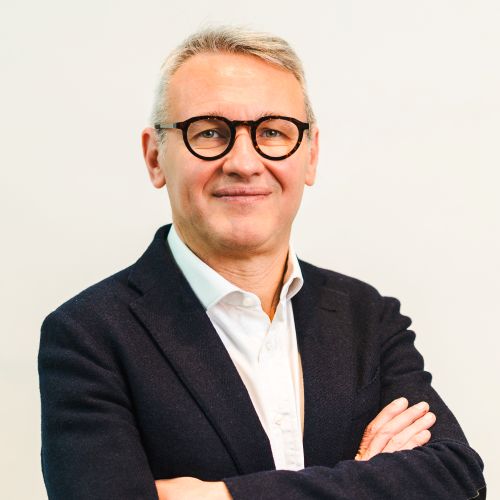
Marco Cavaleri
EMA
Head of Public Threats Department
Netherlands
Marco Cavaleri is Head of Department, Public Health Threats. He is the Chair of EMA Emergency Task Force (ETF) and responsible for EMA activities for emergent pathogens, vaccines, TB and AMR. He has been leading the EMA activities during the COVID-19 pandemic on vaccines and therapeutics.
He serves in different advisory groups at WHO, including PDVAC, R&D Blueprint TAG on prioritization of therapeutics and TB vaccines TAG. Marco Cavaleri is a Pharmacologist who spent several years in industry in R&D mainly in the area of anti-infectives covering different positions in preclinical and clinical development of new antibacterial, antitubercular and antifungal agents. He has expertise in microbiology, animal models, vaccines, translational science and clinical trials. He is co-author of several publications related to vaccines, infectious diseases and regulation of medicines.
Marco Cavaleri
EMA
Head of Public Threats Department
Marco Cavaleri is Head of Department, Public Health Threats. He is the Chair of EMA Emergency Task Force (ETF) and responsible for EMA activities for emergent pathogens, vaccines, TB and AMR. He has been leading the EMA activities during the COVID-19 pandemic on vaccines and therapeutics.
He serves in different advisory groups at WHO, including PDVAC, R&D Blueprint TAG on prioritization of therapeutics and TB vaccines TAG. Marco Cavaleri is a Pharmacologist who spent several years in industry in R&D mainly in the area of anti-infectives covering different positions in preclinical and clinical development of new antibacterial, antitubercular and antifungal agents. He has expertise in microbiology, animal models, vaccines, translational science and clinical trials. He is co-author of several publications related to vaccines, infectious diseases and regulation of medicines.

Gavin John Churchyard
The Aurum Institute NPC
President Emeritus
South Africa
Schoolf of Public Health, University of Witwatersrand
Honorary Professor
South Africa
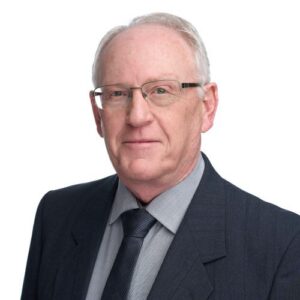
Prof Churchyard is a physician scientist and founder and President Emeritus of The Aurum Institute NPC, a not for profit, proudly South African, Global Health Impact Organization. He is an Honorary Professor at the University of Witwatersrand, School of Public Health, and an adjunct Professor at Vanderbilt School of Medicine. He is the principal investigator on numerous large TB vaccine and preventive treatment trials. He is the co-chair of the World Health Organisation Technical Advisory Group on Evidence for Clinical and Policy Considerations for New TB Vaccines and co-chair of the updated TBVI TB Vaccine Development Pathway. He has contributed to WHO guidelines for TB and has published widely in the areas of TB and HIV treatment and prevention.
Gavin John Churchyard
The Aurum Institute NPC
President Emeritus
Prof Churchyard is a physician scientist and founder and President Emeritus of The Aurum Institute NPC, a not for profit, proudly South African, Global Health Impact Organization. He is an Honorary Professor at the University of Witwatersrand, School of Public Health, and an adjunct Professor at Vanderbilt School of Medicine. He is the principal investigator on numerous large TB vaccine and preventive treatment trials. He is the co-chair of the World Health Organisation Technical Advisory Group on Evidence for Clinical and Policy Considerations for New TB Vaccines and co-chair of the updated TBVI TB Vaccine Development Pathway. He has contributed to WHO guidelines for TB and has published widely in the areas of TB and HIV treatment and prevention.
Julio H R Croda
Federal University of Mato Grosso do Sul/Oswaldo Cruz Foundation
Professor
Brazil
Yale School of Public Health
Professor
United States
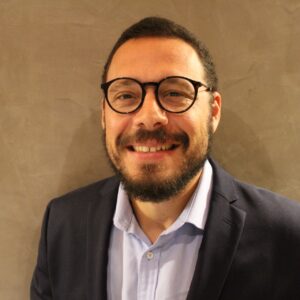
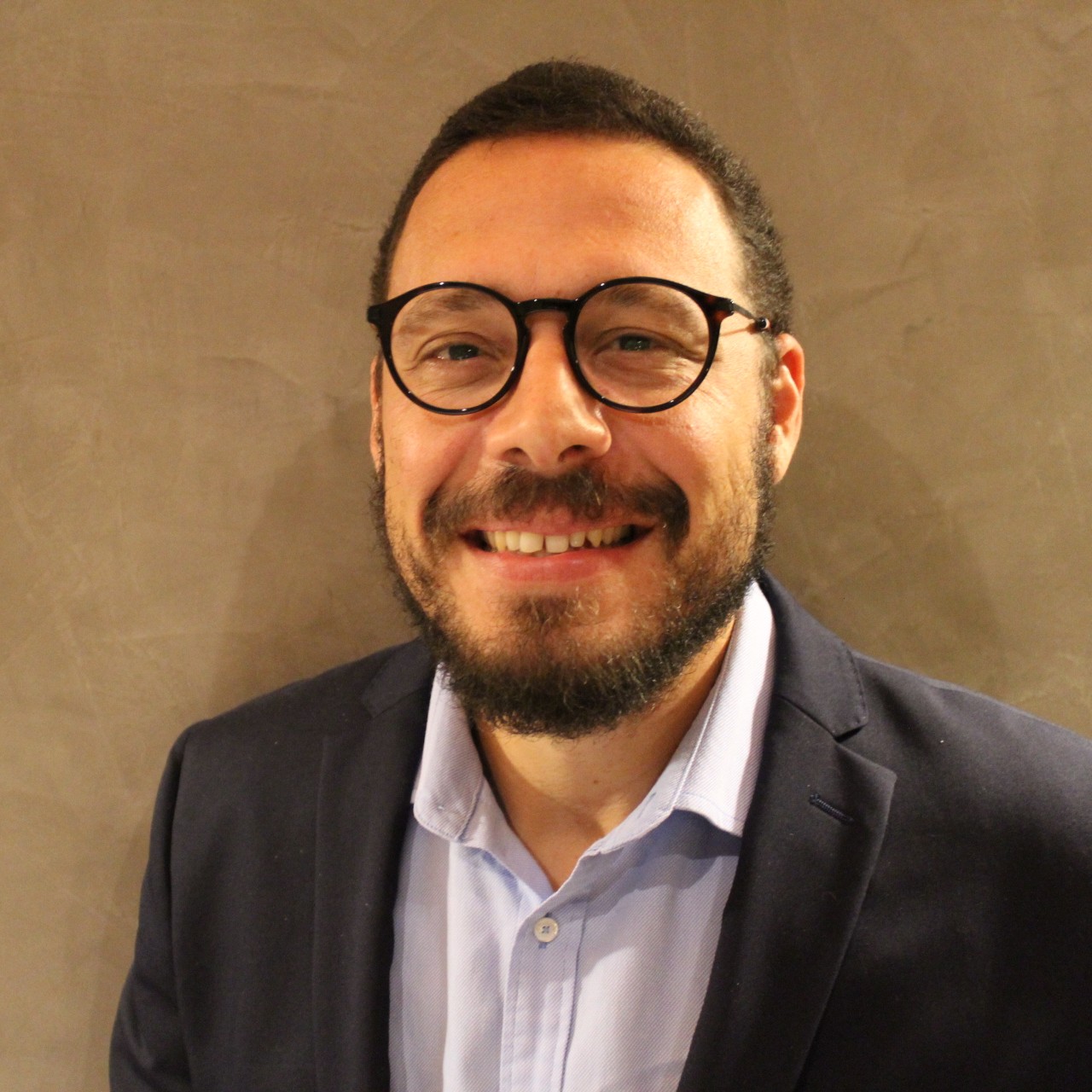
Julio Croda, MD, PhD, is a Professor at the Faculty of Medicine of the Federal University of Mato Grosso do Sul (UFMS), a senior researcher at Fundação Oswaldo Cruz (Fiocruz) Mato Grosso do Sul, and holds an appointment at the Yale School of Public Health (Department of Epidemiology of Microbial Diseases). A physician and epidemiologist, he has worked for two decades on the prevention and control of tuberculosis, with a particular focus on incarcerated and other high-risk populations. He is principal investigator on NIH- and Wellcome-funded studies of TB control in prisons and TB transmission modelling, leads active case-finding and TB preventive treatment trials, and co-leads TB vaccine development initiatives in Brazil, including an mRNA candidate. He advises Brazil’s National TB Programme and global health agencies on TB policy, diagnostics, and new tools for elimination.
Julio H R Croda
Federal University of Mato Grosso do Sul/Oswaldo Cruz Foundation
Professor
Julio Croda, MD, PhD, is a Professor at the Faculty of Medicine of the Federal University of Mato Grosso do Sul (UFMS), a senior researcher at Fundação Oswaldo Cruz (Fiocruz) Mato Grosso do Sul, and holds an appointment at the Yale School of Public Health (Department of Epidemiology of Microbial Diseases). A physician and epidemiologist, he has worked for two decades on the prevention and control of tuberculosis, with a particular focus on incarcerated and other high-risk populations. He is principal investigator on NIH- and Wellcome-funded studies of TB control in prisons and TB transmission modelling, leads active case-finding and TB preventive treatment trials, and co-leads TB vaccine development initiatives in Brazil, including an mRNA candidate. He advises Brazil’s National TB Programme and global health agencies on TB policy, diagnostics, and new tools for elimination.
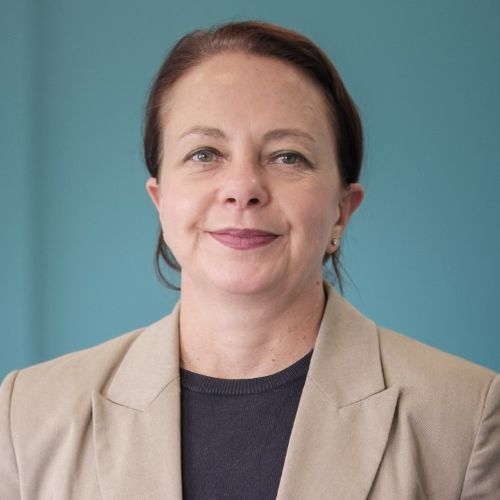
Lee Fairlie
Wits RHI, University of the Witwatersrand
Director Maternal and Child Health
South Africa
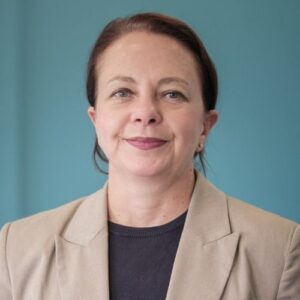
Lee is a paediatrician by training, her clinical and research in paediatric, maternal and HIV-and TB-affected people has contributed to advances in HIV treatment and prevention, TB prevention, maternal immunisation and COVID-19 vaccine research through clinical trials and implementation science research. She serves on several national and international advisory groups, including Co-Chairing the WHO Inclusion of pregnant women in TB vaccine research Working Group and membership of the WHO Technical Advisory Group on Evidence for Clinical and Policy Considerations for New Tuberculosis (TB) Vaccines, as well as membership on additional WHO and IMPAACT committees. She has authored over 150 publications in the field.
Lee Fairlie
Wits RHI, University of the Witwatersrand
Director Maternal and Child Health
Lee is a paediatrician by training, her clinical and research in paediatric, maternal and HIV-and TB-affected people has contributed to advances in HIV treatment and prevention, TB prevention, maternal immunisation and COVID-19 vaccine research through clinical trials and implementation science research. She serves on several national and international advisory groups, including Co-Chairing the WHO Inclusion of pregnant women in TB vaccine research Working Group and membership of the WHO Technical Advisory Group on Evidence for Clinical and Policy Considerations for New Tuberculosis (TB) Vaccines, as well as membership on additional WHO and IMPAACT committees. She has authored over 150 publications in the field.

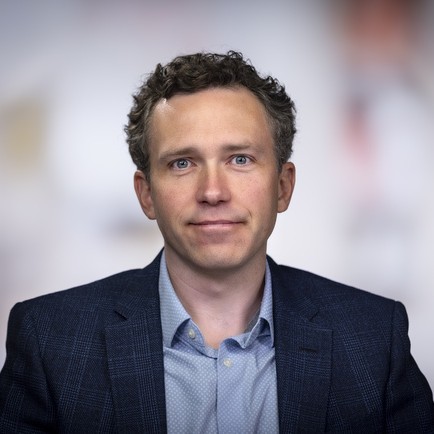
Andrew Fiore-Garland
Fred Hutchinson Cancer Center
Principal Staff Scientist
United States
Dr. Andrew Fiore-Gartland (Ph.D.) is a biostatistician and computational biologist in the Vaccine and Infectious Disease Division at Fred Hutchinson Cancer Center. His group works on the discovery and clinical development of vaccines and biomarkers for infectious diseases with a focus on tuberculosis. The group’s expertise includes development of statistical methods for integration of high-dimensional immune data, for the primary purpose of identifying and understanding the immunological correlates of protection in vaccine trials.
Andrew Fiore-Garland
Fred Hutchinson Cancer Center
Principal Staff Scientist
Dr. Andrew Fiore-Gartland (Ph.D.) is a biostatistician and computational biologist in the Vaccine and Infectious Disease Division at Fred Hutchinson Cancer Center. His group works on the discovery and clinical development of vaccines and biomarkers for infectious diseases with a focus on tuberculosis. The group’s expertise includes development of statistical methods for integration of high-dimensional immune data, for the primary purpose of identifying and understanding the immunological correlates of protection in vaccine trials.
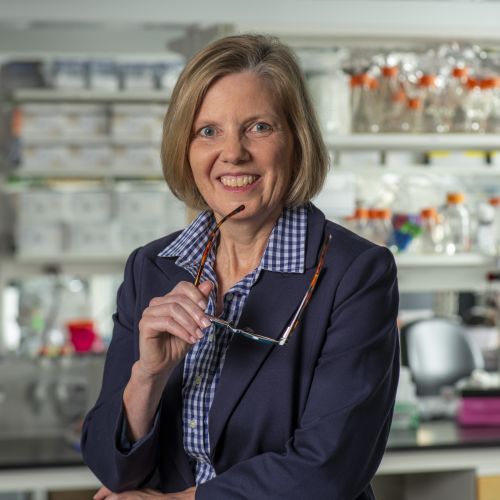
Sarah Fortune
Harvard TH Chan School of Public Health
Chair and Professor of Immunology and Infectious Diseases
United States
Dr. Fortune is the John LaPorte Given Professor and Chair of the Department of Immunology and Infectious Diseases. A physician-scientist, Dr. Fortune’s laboratory focuses the biologic determinants of tuberculosis infection and treatment outcomes. Her research integrates bacterial genetics, population genomics, systems biology and infection models to identify and dissect key drivers of clinical course. Her work has elucidated fundamental mechanisms of mycobacterial cell growth and division, identified novel forms of drug resistance and contributed to an understanding of the basis of TB disease states such as TB resistance and asymptomatic disease. Dr. Fortune also leads multi-national programs that seek to define the basis of protective immunity to tuberculosis and develop more efficient ways to test new TB vaccines including controlled human infection models.
Sarah Fortune
Harvard TH Chan School of Public Health
Chair and Professor of Immunology and Infectious Diseases
Dr. Fortune is the John LaPorte Given Professor and Chair of the Department of Immunology and Infectious Diseases. A physician-scientist, Dr. Fortune’s laboratory focuses the biologic determinants of tuberculosis infection and treatment outcomes. Her research integrates bacterial genetics, population genomics, systems biology and infection models to identify and dissect key drivers of clinical course. Her work has elucidated fundamental mechanisms of mycobacterial cell growth and division, identified novel forms of drug resistance and contributed to an understanding of the basis of TB disease states such as TB resistance and asymptomatic disease. Dr. Fortune also leads multi-national programs that seek to define the basis of protective immunity to tuberculosis and develop more efficient ways to test new TB vaccines including controlled human infection models.
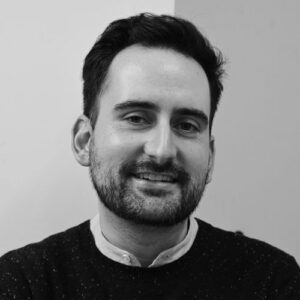

Mike Frick
Treatment Action Group
TB project codirector
United States
Mike Frick is one of the co-directors of TAG’s tuberculosis program where he leads advocacy to support universal access to TB prevention, including research to develop new TB vaccines. He authors TAG’s annual Tuberculosis Vaccines Pipeline Report and oversaw research behind a first-of-its-kind global survey assessing the readiness of civil society to participate in TB vaccine preparedness, What Could Go Right? Vital Partnerships with Communities and Civil Society for New TB Vaccines. He represents civil society on the TB Vaccine Accelerator Council and its Finance and Access Working Group.
Mike Frick
Treatment Action Group
TB project codirector
Mike Frick is one of the co-directors of TAG’s tuberculosis program where he leads advocacy to support universal access to TB prevention, including research to develop new TB vaccines. He authors TAG’s annual Tuberculosis Vaccines Pipeline Report and oversaw research behind a first-of-its-kind global survey assessing the readiness of civil society to participate in TB vaccine preparedness, What Could Go Right? Vital Partnerships with Communities and Civil Society for New TB Vaccines. He represents civil society on the TB Vaccine Accelerator Council and its Finance and Access Working Group.


Birgitte K Giersing
World Health Organization
Unit head, Vaccine research, development and policy
Switzerland
IVB Department, World Health Organization
Lead, TB Vaccine Accelerator Secretariat, IVB, WHO
Switzerland
Dr Birgitte Giersing is the lead for vaccine Research, Development and Policy (RDP) unit in the Immunization, Vaccines and Biologicals (IVB) department at WHO. The remit of the unit is to accelerate innovation, development, and policy formulation for priority vaccines by facilitating strategic, evidence-based decision-making at the global, regional and country levels. The RDP unit includes two of the advisory committees to IVB, namely the Product Development for Vaccines Advisory Committee (PDVAC) and WHO’s Strategic Advisory Group of Experts on Immunization (SAGE). In addition, Birgitte leads the secretariat for the TB Vaccine Accelerator in IVB, working closely with colleagues in the WHO TB department (HTH) to convene the TB Vaccine Accelerator Council.
Birgitte K Giersing
World Health Organization
Unit head, Vaccine research, development and policy
Dr Birgitte Giersing is the lead for vaccine Research, Development and Policy (RDP) unit in the Immunization, Vaccines and Biologicals (IVB) department at WHO. The remit of the unit is to accelerate innovation, development, and policy formulation for priority vaccines by facilitating strategic, evidence-based decision-making at the global, regional and country levels. The RDP unit includes two of the advisory committees to IVB, namely the Product Development for Vaccines Advisory Committee (PDVAC) and WHO’s Strategic Advisory Group of Experts on Immunization (SAGE). In addition, Birgitte leads the secretariat for the TB Vaccine Accelerator in IVB, working closely with colleagues in the WHO TB department (HTH) to convene the TB Vaccine Accelerator Council.
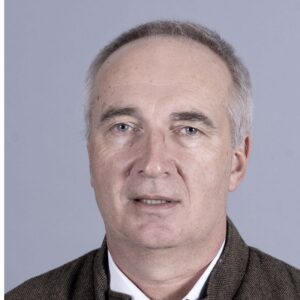
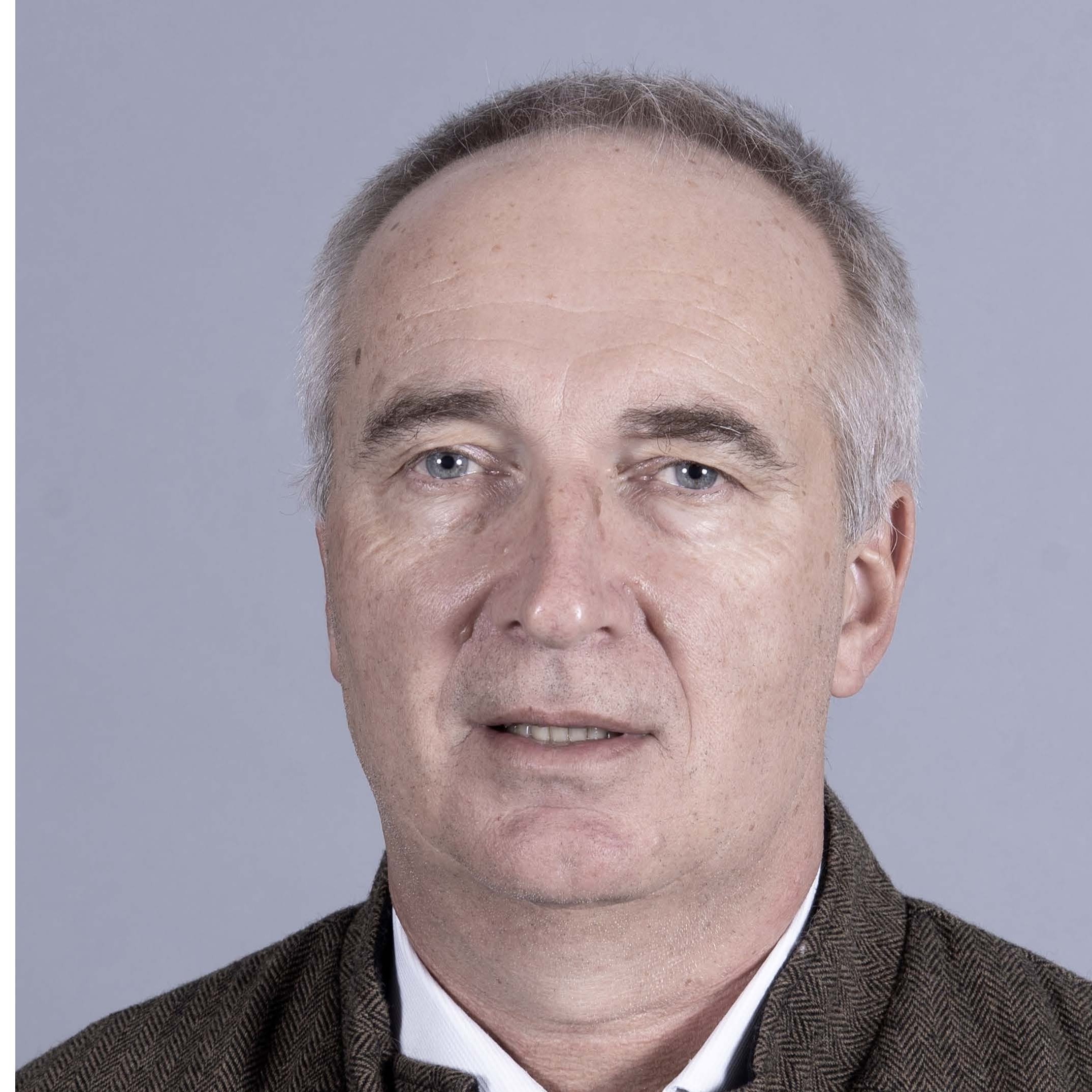
Mark Hatherill
South African Tuberculosis Vaccine Initiative (SATVI), University of Cape Town
Professor
South Africa
Professor Mark Hatherill is Director and leader of the clinical research team of the South African Tuberculosis Vaccine Initiative (SATVI), a University of Cape Town research group focused on understanding risk for and protection against TB, to develop better vaccines and preventive therapies to impact the global epidemic. A University of Cape Town medical graduate, he trained as a pediatrician and critical care sub-specialist. He has led several clinical trials of novel TB vaccine candidates in infant, adolescent and adult populations. He is PI of the Regional Prospective Observational Research in Tuberculosis (RePORT) South Africa network. His current work focuses on the design and implementation of clinical trials of novel TB vaccines and studies of biomarkers for asymptomatic and symptomatic TB.
Mark Hatherill
South African Tuberculosis Vaccine Initiative (SATVI), University of Cape Town
Professor
Professor Mark Hatherill is Director and leader of the clinical research team of the South African Tuberculosis Vaccine Initiative (SATVI), a University of Cape Town research group focused on understanding risk for and protection against TB, to develop better vaccines and preventive therapies to impact the global epidemic. A University of Cape Town medical graduate, he trained as a pediatrician and critical care sub-specialist. He has led several clinical trials of novel TB vaccine candidates in infant, adolescent and adult populations. He is PI of the Regional Prospective Observational Research in Tuberculosis (RePORT) South Africa network. His current work focuses on the design and implementation of clinical trials of novel TB vaccines and studies of biomarkers for asymptomatic and symptomatic TB.


Rose E Jalang'o
Ministry of Health
Head, National Vaccines and Immunization Program
Kenya
Dr. Rose Jalang’o is a public health and immunization leader and Head of Kenya’s National Vaccines and Immunization Program. A medical doctor with a Master of Public Health, advanced training in vaccinology and experience as Principal Investigator in multiple vaccine clinical trials, she brings expertise in vaccine policy, research and health systems strengthening. She has led the introduction and scale-up of multiple vaccines in Kenya. Her strategic interests include vaccine innovation, sustainable financing, life-course immunization and equitable access, particularly for zero-dose, underserved and conflict-affected populations. She is passionate about advancing African leadership in global health, bridging innovation and implementation, and ensuring transformative vaccine technologies reach those who needs them most.
Rose E Jalang'o
Ministry of Health
Head, National Vaccines and Immunization Program
Dr. Rose Jalang’o is a public health and immunization leader and Head of Kenya’s National Vaccines and Immunization Program. A medical doctor with a Master of Public Health, advanced training in vaccinology and experience as Principal Investigator in multiple vaccine clinical trials, she brings expertise in vaccine policy, research and health systems strengthening. She has led the introduction and scale-up of multiple vaccines in Kenya. Her strategic interests include vaccine innovation, sustainable financing, life-course immunization and equitable access, particularly for zero-dose, underserved and conflict-affected populations. She is passionate about advancing African leadership in global health, bridging innovation and implementation, and ensuring transformative vaccine technologies reach those who needs them most.
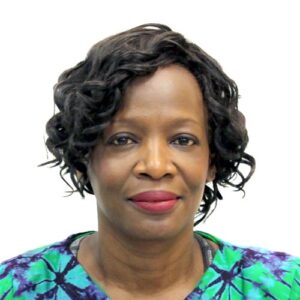
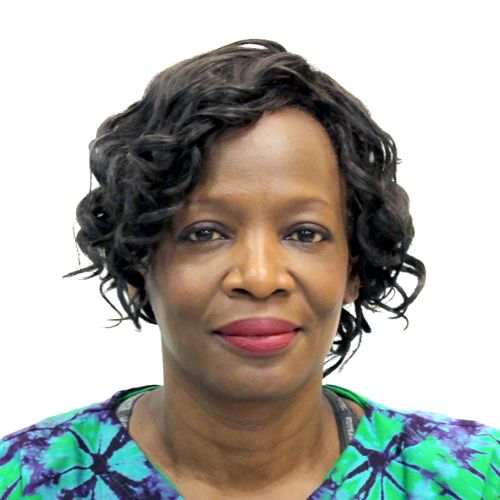
Angelique Luabeya Kany Kany
South African Tuberculosis Vaccine Initiative, University of Cape Town
Chief Research Officer/Associate Professor
South Africa
Associate Professor Angelique Kany Kany Luabeya is a Chief Research Officer at the South African Tuberculosis Vaccine Initiative (SATVI), University of Cape Town, and an NRF C1-rated clinical epidemiologist with over 15 years of experience in TB clinical research across high-burden settings. She has proven leadership in designing and managing complex Phase I–III vaccine and drug trials, with expertise spanning TB vaccinology, diagnostics, and epidemiology. She has led several novel TB vaccine clinical trials at SATVI, including M72/ASO1E, VPM 1002, and MTBVAC; she also chairs the UCT Faculty of Health Sciences Internal Research Committee, the TB prevention task team for the TB Think Tank, and lectures on TB immunology and infectious diseases. She holds an MSc in Epidemiology from the London School of Hygiene & Tropical Medicine and an MBChB from the University of Kinshasa.
Angelique Luabeya Kany Kany
South African Tuberculosis Vaccine Initiative, University of Cape Town
Chief Research Officer/Associate Professor
Associate Professor Angelique Kany Kany Luabeya is a Chief Research Officer at the South African Tuberculosis Vaccine Initiative (SATVI), University of Cape Town, and an NRF C1-rated clinical epidemiologist with over 15 years of experience in TB clinical research across high-burden settings. She has proven leadership in designing and managing complex Phase I–III vaccine and drug trials, with expertise spanning TB vaccinology, diagnostics, and epidemiology. She has led several novel TB vaccine clinical trials at SATVI, including M72/ASO1E, VPM 1002, and MTBVAC; she also chairs the UCT Faculty of Health Sciences Internal Research Committee, the TB prevention task team for the TB Think Tank, and lectures on TB immunology and infectious diseases. She holds an MSc in Epidemiology from the London School of Hygiene & Tropical Medicine and an MBChB from the University of Kinshasa.
David Lewinsohn
Oregon Health & Science University
Professor of Medicine
United States
Portland VA Medical Center
United States
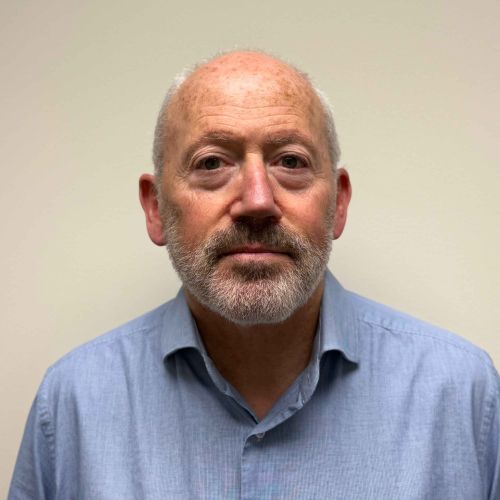
Dr. Lewinsohn’s research interest is in Tuberculosis Immunology. The core research question has been that of how the human immune system can find those cells harboring the intracellular bacterium. In this regard, Dr. Lewinsohn has focused both on how antigens derived from Mycobacterium tuberculosis (Mtb) can be presented, and on which antigens those might be. He has active collaborations in Cape Town, South Africa, focused on understanding lung resident immunity in the context of exposure to Mtb. Dr. Lewinsohn is the director of the OHSU Center of Global Child Health Research.
Dr. Lewinsohn has had a long-standing interest in the development of vaccines for tuberculosis. He participated in the development of the M72/AS01E vaccine, and serves as the chair of the StopTB Partnership Working Group on Vaccines. He also serves on both the Executive Committee and Board for the Partnership.
David Lewinsohn
Oregon Health & Science University
Professor of Medicine
Dr. Lewinsohn’s research interest is in Tuberculosis Immunology. The core research question has been that of how the human immune system can find those cells harboring the intracellular bacterium. In this regard, Dr. Lewinsohn has focused both on how antigens derived from Mycobacterium tuberculosis (Mtb) can be presented, and on which antigens those might be. He has active collaborations in Cape Town, South Africa, focused on understanding lung resident immunity in the context of exposure to Mtb. Dr. Lewinsohn is the director of the OHSU Center of Global Child Health Research.
Dr. Lewinsohn has had a long-standing interest in the development of vaccines for tuberculosis. He participated in the development of the M72/AS01E vaccine, and serves as the chair of the StopTB Partnership Working Group on Vaccines. He also serves on both the Executive Committee and Board for the Partnership.
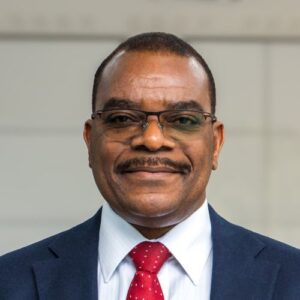
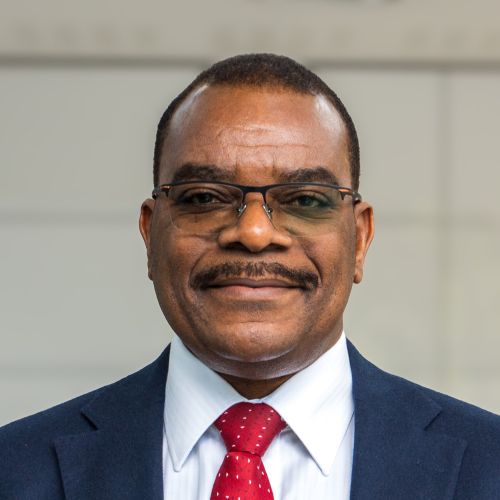
Michael Makanga
Global Health EDCTP3
Executive Director
Belgium
Dr Michael Makanga started his tenure as the Executive Director of Global Health EDCTP3 on 16 November 2023. He has extensive experience in the global health research sector and was previously the Executive Director of the EDCTP Association. He is a clinician-scientist with nearly thirty years of health and clinical research work experience in African and European institutions. He has a medical degree from Makerere University, a master’s and PhD in pharmacology and therapeutics from the Liverpool University and School of Tropical Medicine, and is a fellow of the Royal College of Physicians of Edinburgh. He has vast experience in global health, research for health capacity development, engagement with policy makers, ethics and regulatory authorities in both Africa and Europe. Moreover, he has served in various scientific and policy advisory boards involved in developing medical products
Michael Makanga
Global Health EDCTP3
Executive Director
Dr Michael Makanga started his tenure as the Executive Director of Global Health EDCTP3 on 16 November 2023. He has extensive experience in the global health research sector and was previously the Executive Director of the EDCTP Association. He is a clinician-scientist with nearly thirty years of health and clinical research work experience in African and European institutions. He has a medical degree from Makerere University, a master’s and PhD in pharmacology and therapeutics from the Liverpool University and School of Tropical Medicine, and is a fellow of the Royal College of Physicians of Edinburgh. He has vast experience in global health, research for health capacity development, engagement with policy makers, ethics and regulatory authorities in both Africa and Europe. Moreover, he has served in various scientific and policy advisory boards involved in developing medical products

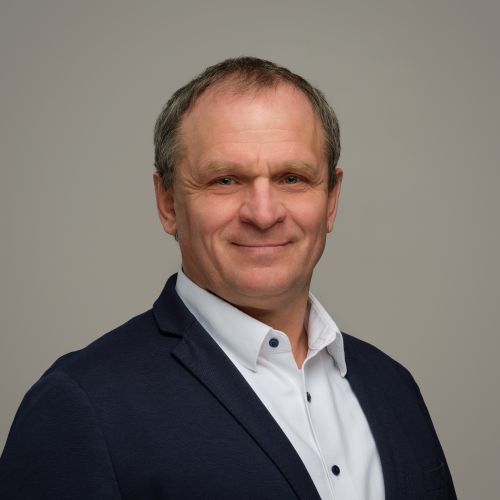
Uwe Marx
TissUse GmbH Berlin Germany
Founder & Head of Research
Germany
Technical University Berlin
Honorary Professor for Medical Biotechnology
Germany
Dr Uwe Marx is an Honorary Professor at the Technical University of Berlin in Germany, as well as being the founder and head of research at TissUse. He has pioneered the development of human multi-organ chip systems for testing chemicals, cosmetics, drugs and advanced therapies, and has published over 200 peer-reviewed papers and several book chapters. Over 150 granted patents have supported the commercialization of his research results. Dr. Marx developed the “Organismoid” theory (DOI: 10.3389/fmed.2021.728866) and hosted the three CAAT stakeholder workshops for the MPS community in Berlin in 2015, 2019, and 2023. Dr. Marx is the recipient of 2021 Russell & Burch Award from the Humane Society of the United States, as well as the ALTEX award for the best paper in 2017 and 2026. Dr. Marx has also led the Gates-funded development of a TB vaccine testing method based on a multi-organ chip.
Uwe Marx
TissUse GmbH Berlin Germany
Founder & Head of Research
Dr Uwe Marx is an Honorary Professor at the Technical University of Berlin in Germany, as well as being the founder and head of research at TissUse. He has pioneered the development of human multi-organ chip systems for testing chemicals, cosmetics, drugs and advanced therapies, and has published over 200 peer-reviewed papers and several book chapters. Over 150 granted patents have supported the commercialization of his research results. Dr. Marx developed the “Organismoid” theory (DOI: 10.3389/fmed.2021.728866) and hosted the three CAAT stakeholder workshops for the MPS community in Berlin in 2015, 2019, and 2023. Dr. Marx is the recipient of 2021 Russell & Burch Award from the Humane Society of the United States, as well as the ALTEX award for the best paper in 2017 and 2026. Dr. Marx has also led the Gates-funded development of a TB vaccine testing method based on a multi-organ chip.


Rasmus Mortensen
Center for Vaccine Research, Statens Serum Institut
Prof. and Head of TB Vaccine Research
Denmark
The Novo Nordisk Foundation Initiative for Vaccines and Immunity
Denmark
Rasmus Mortensen is Professor and Head of TB Vaccine Research at Statens Serum Institut and PI of the TB program within the Novo Nordisk Foundation Initiative for Vaccines and Immunity (NIVI). His research integrates mechanistic immunology, vaccine design, product development and clinical translation to define and induce protective immunity against tuberculosis. He has led international clinical and translational programs and currently leads the development of the next-generation TB vaccine candidate H107eV/CAF®10b through clinical evaluation. His work focuses on defining protective immune responses, biomarkers, and translation of findings between animal models and human vaccine trials.
Rasmus Mortensen
Center for Vaccine Research, Statens Serum Institut
Prof. and Head of TB Vaccine Research
Rasmus Mortensen is Professor and Head of TB Vaccine Research at Statens Serum Institut and PI of the TB program within the Novo Nordisk Foundation Initiative for Vaccines and Immunity (NIVI). His research integrates mechanistic immunology, vaccine design, product development and clinical translation to define and induce protective immunity against tuberculosis. He has led international clinical and translational programs and currently leads the development of the next-generation TB vaccine candidate H107eV/CAF®10b through clinical evaluation. His work focuses on defining protective immune responses, biomarkers, and translation of findings between animal models and human vaccine trials.


Norbert Ndjeka
National Department of Health
Chief Director: TB Control & Management
South Africa
University of Cape Town
Honorary Associate Professor
South Africa
Prof Norbert Ndjeka serves as the Chief Director TB Control and Management, under the National Department of Health in South Africa as from February 2022. Under his leadership, there has been a major increase in the number of TB tests conducted, a significant improvement in TB treatment coverage, a decline in the number of TB, DR-TB cases and a remarkable improvement in proportion of patients successfully treated, particularly among the DR-TB patients. He is a Specialist Family Physician with an interest in TB and HIV. He has authored numerous papers in peer-reviewed journals. He is currently the Chair of SADC END TB Committee (SETC). His qualifications include a medical degree (UniKin), a diploma in health services management (Wits), a diploma in HIV management (CMSA), a Master of Medicine in Family Medicine (MEDUNSA), a Doctor of Science (h.c.) [UCT] and PhD (UKZN).
Norbert Ndjeka
National Department of Health
Chief Director: TB Control & Management
Prof Norbert Ndjeka serves as the Chief Director TB Control and Management, under the National Department of Health in South Africa as from February 2022. Under his leadership, there has been a major increase in the number of TB tests conducted, a significant improvement in TB treatment coverage, a decline in the number of TB, DR-TB cases and a remarkable improvement in proportion of patients successfully treated, particularly among the DR-TB patients. He is a Specialist Family Physician with an interest in TB and HIV. He has authored numerous papers in peer-reviewed journals. He is currently the Chair of SADC END TB Committee (SETC). His qualifications include a medical degree (UniKin), a diploma in health services management (Wits), a diploma in HIV management (CMSA), a Master of Medicine in Family Medicine (MEDUNSA), a Doctor of Science (h.c.) [UCT] and PhD (UKZN).
Tara Lavanya Prasad
World Health Organization
Team Lead, Vaccine Access and Decision Making, Department of Immunization, Vaccines and Biologicals
Switzerland
Tara Lavanya Prasad
World Health Organization
Team Lead, Vaccine Access and Decision Making, Department of Immunization, Vaccines and Biologicals
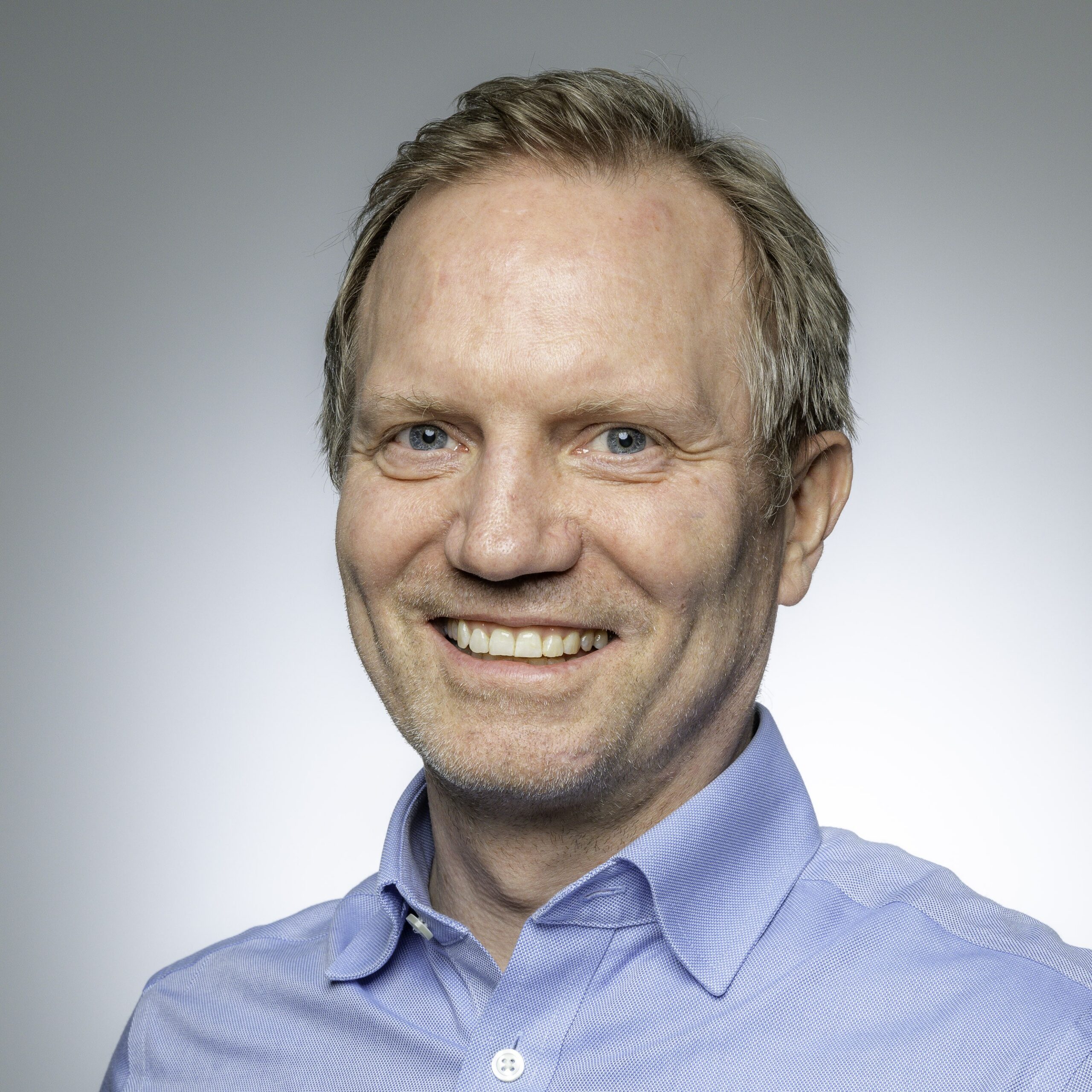
Morten Ruhwald
NIVI
Chief Medical Officer
Denmark
Morten Ruhwald, MD, PhD, DMSc is Chief Medical Officer at the Novo Nordisk Foundation Initiative for Vaccines and Immunity (NIVI), where he leads clinical and translational development of vaccines for TB and other major infectious diseases. He has more than two decades of experience in TB research, spanning diagnostics, biomarkers, clinical trials, vaccine development and global health. He previously served as Director of the Tuberculosis Programme at FIND and has worked extensively with academic, industry, regulatory and global health partners across high-burden settings. His work focuses on translating scientific advances into practical tools and vaccines with meaningful global health impact.
Morten Ruhwald
NIVI
Chief Medical Officer
Morten Ruhwald, MD, PhD, DMSc is Chief Medical Officer at the Novo Nordisk Foundation Initiative for Vaccines and Immunity (NIVI), where he leads clinical and translational development of vaccines for TB and other major infectious diseases. He has more than two decades of experience in TB research, spanning diagnostics, biomarkers, clinical trials, vaccine development and global health. He previously served as Director of the Tuberculosis Programme at FIND and has worked extensively with academic, industry, regulatory and global health partners across high-burden settings. His work focuses on translating scientific advances into practical tools and vaccines with meaningful global health impact.